

Masters courses


Studying with us

Watch our Masters talks
Discover how you can take your knowledge to the next level with a Masters degree.
More
View our facilities
You'll have access to industry-recognised equipment and laboratories throughout your degree.
More
Explore our research
Our research expertise means we deliver teaching that’s informed by the latest discoveries.
More
Funding your degree
Find out more about your options for making your degree a reality with funding.
MoreExploring Leeds
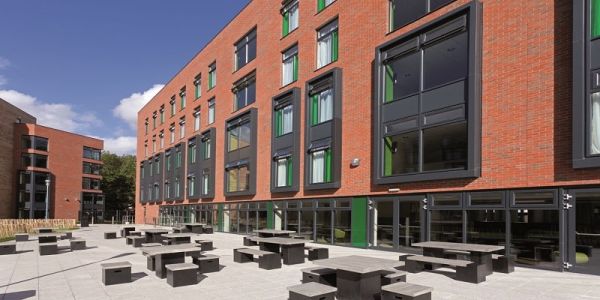
Grand buildings, iconic landmarks and sustainable green space: our single-site campus has it all. When you study at the University of Leeds, you’ll be on the doorstep to one of the most vibrant and multicultural cities in the UK, with the benefit of enjoying our historic campus.




Kristina Dengaeva
Transport Economics MSc
"ITS collaborates closely with transport consultancies to make sure that the skills delivered by the programmes are in demand from employers. Thus, the students get only practically applicable and useful skills."

Domingo Kauak Alaff
Railway Operations, Management and Policy MSc
"The ITS Employer days are a very good way to understand what the market is seeking in its future professionals and what main lines of work and projects are being developed, which helps to understand the way to go."
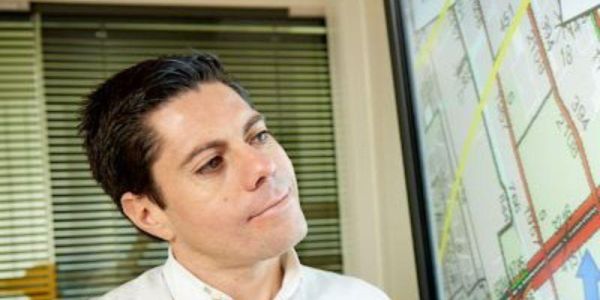
Mario Rivas Sanchez
Transport Planning and the Environment MSc
"ITS has a close relationship with companies, councils, institutions and communities, and is involves in the most relevant transport issues in the UK. "

Transport Systems: Global Issues and Future Innovations
Transport Systems: Global Issues and Future Innovations is a free online course, delivered via FutureLearn, which explores how the transport sector can develop infrastructures that meet the needs of a 21st century population.